
Introduction
In the moment’s digital world, having a website isn’t enough. Whether you run a small business, a niche blog, or an e-commerce store, you need people actually to find you online. This is where Search Engine Optimization (SEO) comes in. It is the process of perfecting your website so that it appears advanced in search results when people conduct queries related to your business.
Still, it might sound specialized and intimidating, but don’t worry — this companion will break down the basics in a simple way if you’re a freshman. By the end of this blog, you’ll understand the crucial generalities of SEO and how you can use them to start ranking on Google.
What’s SEO?
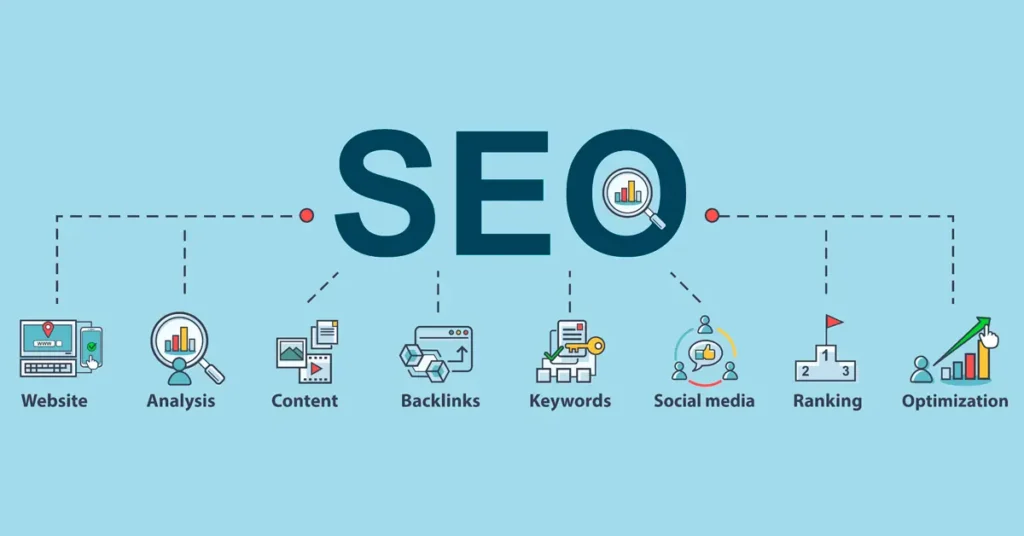
SEO stands for Search Engine Optimization. It’s a set of strategies used to ameliorate the visibility of a website on search engines like Google, Bing, or Yahoo. When someone searches for “ stylish coffee shop near me ” or “ how to learn digital marketing, ” Google uses its algorithms to decide which websites should appear first. As a website owner, your goal is to optimize your site so that Google considers it valuable, secure, and relevant. The higher you rank, the more clicks and callers you’ll get.
Why is it Important?
Think about your own behavior. When you search on Google, how frequently do you scroll past the first page of results? Hardly ever, right? That’s why SEO is critical — ranking on the first page means further visibility, further business, and eventually, further transformations.
Some crucial benefits of SEO:
- More stoner experience SEO improves page speed, happy quality, and navigation.
- Increased visibility. Advanced rankings bring more people to your website.
- Credibility & trust, People tend to trust websites that appear at the top.
- Cost-effective marketing. Unlike advertisements, SEO brings long-term results without paying per click.
How Search Engines Work?
Before diving into SEO ways, you need to understand how search engines work. Google follows a three-step process.
- Crawling – Google’s bots( called spiders) crawl the web to find new or streamlined content.
- Indexing – The scrutinized runners are stored in Google’s database( the indicator).
- Ranking – When a stoner quests, Google ranks the listed runners based on applicability, authority, and stoner experience.
Your job is to make sure your website can be crawled, listed, and ranked duly.
The Three Pillars of SEO
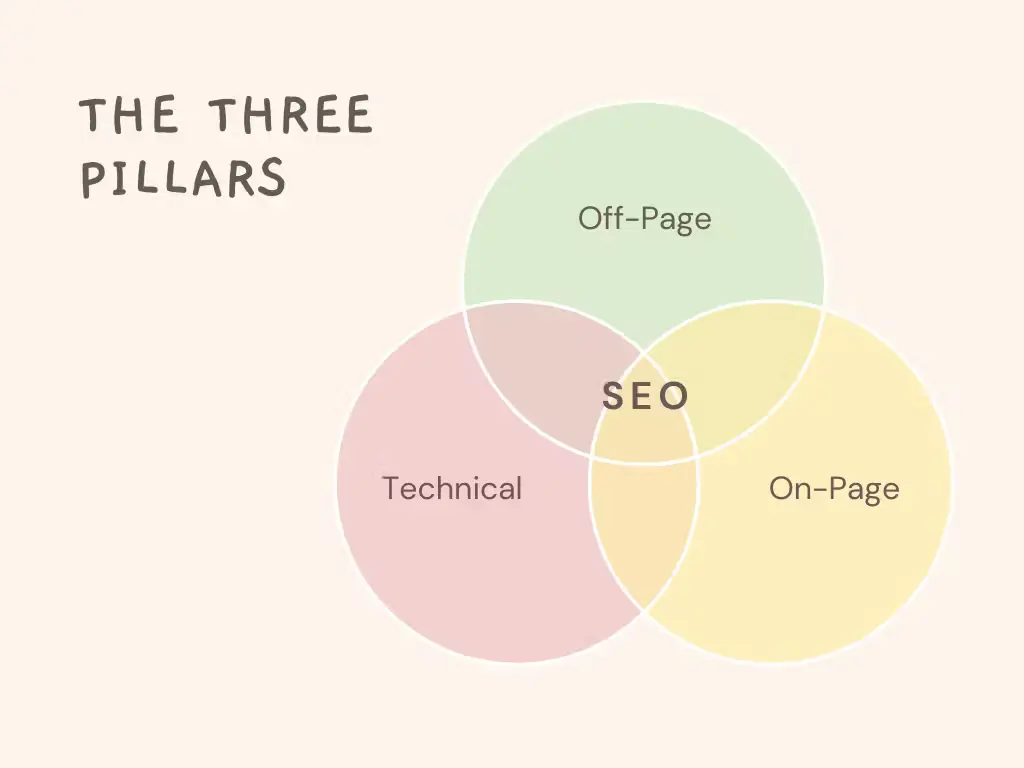
SEO can be divided into three main areas:
1. On-page SEO
This refers to all the optimizations you make directly on your website. Crucial factors include:
- Keyword Research- Find the words people are searching for in your niche.
- Title & Meta Descriptions- Add clear, keyword-rich titles and descriptions.
- Headlines( H1, H2, H3)- Organize content with proper heading structure.
- URL- Structure Keep URLs short and descriptive( e.g.,yourwebsite.com/seo-guide).
- Internal Linking- Link to other applicable runners on your point.
- Content Quality- Write instructional, unique, and engaging content.
2. Off-page SEO
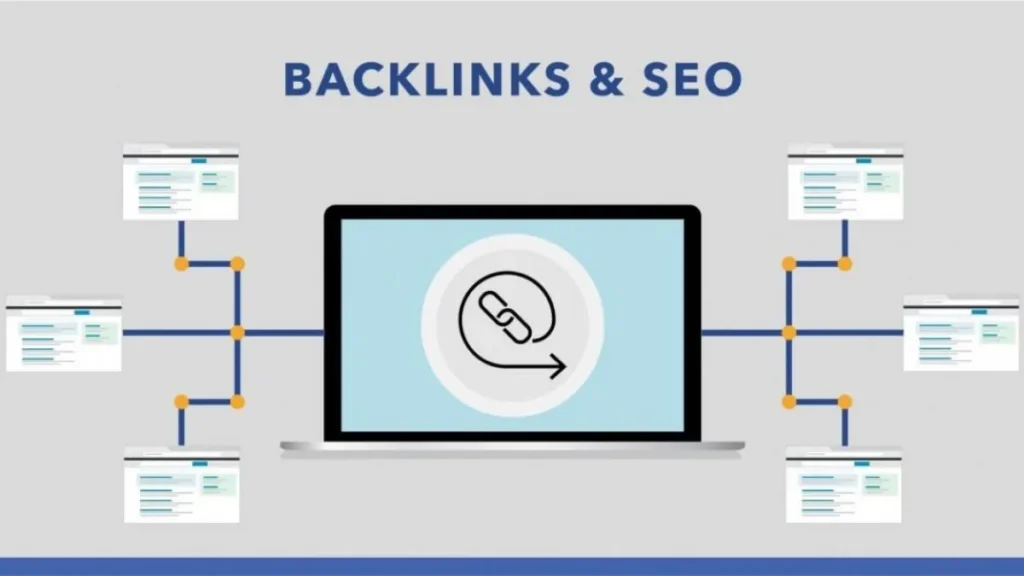
This refers to the conditioning done outside your website that impacts rankings. The biggest factor here is backlinks — when other websites link to your content. Google sees backlinks as votes of trust.
- Guest Blogging- Write papers for other websites with links back to yours.
- Social Media participation- Drive business by participating in content on platforms like Instagram, LinkedIn, or Twitter.
- Influencer Outreach- Collaborate with influencers to get mentions and links.
3. Technical SEO
This ensures that your website is technically optimized for search engines. Some important areas are:
- Mobile-friendliness- Your website must work easily on phones and tablets.
- Speed- faster loading websites are ranked better.
- Secure Website( HTTPS)- Having an SSL certificate builds trust.
- Sitemap & Robots.txt- Help search engines crawl and index your pages.
- Fixing Broken Links- Avoid 404 errors.
Step 1: Keyword Research
Keywords are the foundation here. They’re the words and expressions people type into Google. For example, if you run a bakery in Delhi, applicable keywords could be “ stylish bakery in Delhi ” or “ custom cakes near me. ” Tools like Google Keyword Planner, Ubersuggest, or SEMrush can help you discover what people are searching for.
Choose a blend of:
- Short-tail keywords( e.g., digital marketing).
- Long-tail keywords( e.g., affordable digital marketing services for small businesses).
Pro Tip- Long-tail keywords are easier to rank for and frequently bring further targeted business.
Step 2: Produce High-Quality Content
Content is the king here. Google rewards websites that give valuable, original, and user-centric content. When creating content, keep these points in mind:
- Answer your audience’s questions.
- Use your target keywords naturally( avoid filling).
- Add illustrations like images, infographics, and videos.
- Keep content easy to read — use short paragraphs and bullet points.
For example, rather than just writing “ Marketing tips ”, you could write “ 10 Makreting Tips for Small Business Owners in 2025. ”

Step 3: Optimize On-page elements
Make sure your keywords appear in important places like-
- Title Label: The clickable caption in search results.
- Meta Description- A summary that encourages clicks.
- Headlines( H1, H2, H3)- Organize content and include keywords.
- Image Alt Text- Helps Google understand your images.
- URLs- Use clean, keyword-rich links.
Step 4: Build Quality Backlinks
Backlinks are one of the strongest ranking factors. Still, not all links are equal — quality matters more than volume. A link from a trusted point like Forbes is worth further than 50 links from unknown blogs. Here are a few ways to get backlinks:
- Publish share- good content( attendants, infographics, case studies).
- Do guest posts on authority websites.
- Figure out connections with other bloggers in your niche.
Step 5: Improve user Experience
Google pays attention to how druggies interact with your website. However, your rankings may drop if people click on your point but leave snappily. To make the experience better
- Make your website mobile-friendly.
- Reduce website loading time.
- Use clear navigation menus.
- Add engaging illustrations.
- Ensure your content is easy to read.
Step 6: Track and Measure Results
SEO isn’t a one-time task; it’s an ongoing process. You need to cover your performance using tools like
- Google Analytics – Track website business, brio rates, and transformations.
- Google Search Console – See which keywords bring business and fix crimes.
- Tools( Ahrefs, SEMrush, Moz) – Track backlinks, rankings, and challengers.
By assessing data, you’ll know what’s working and what needs enhancement.

Common Mistakes to Avoid
- Keyword Stuffing.
- Publishing duplicate or low-quality content.
- Ignoring mobile optimization.
- Not streamlining old content.
- Neglecting SEO if you have a physical business.

The Future of SEO
SEO is constantly evolving. In 2025 and further, trends like AI-powered hunt, voice sidekicks, and substantiated gestures will shape the future of rankings. As search engines get smarter, businesses need to concentrate on furnishing real value to customers rather than trying to “trick” algorithms.
Conclusion
SEO might feel like a long trip, but it’s worth the trouble. By understanding the basics — keyword exploration, content creation, on-page optimization, backlinks, and AI-powered content, etc. — you’ll be on the right path to ranking on Google. It isn’t about quick fixes. It’s about erecting long-term authority, trust, and relevance. However, your website won’t just rank advanced but also become a precious resource for your audience, if you stay consistent.
👉 Want expert help with SEO? Explore our SEO Services to improve rankings, traffic, and conversions.